
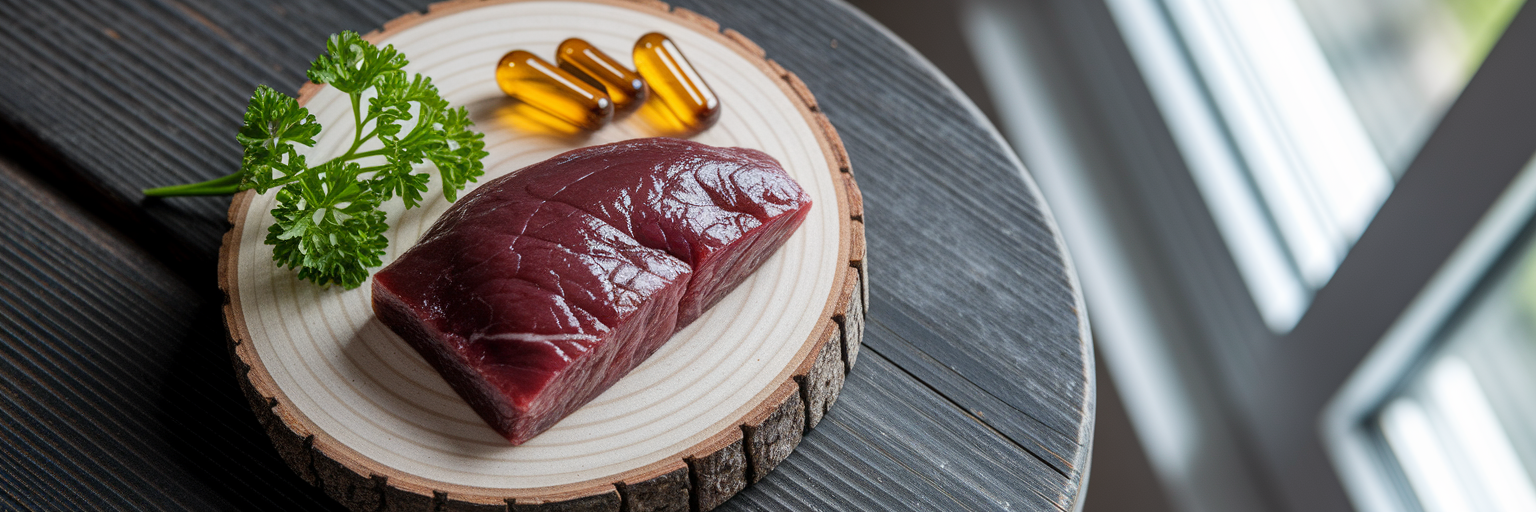
For millennia, long before grocery stores lined their shelves with perfectly cut steaks, cultures around the world prized organ meats. Hunters and gatherers often consumed the liver, heart, and kidneys first, instinctively knowing these parts of the animal offered the most potent nutrition. This ancestral wisdom forms the foundation of a modern wellness trend: beef organ supplements.
The Nutritional Powerhouse in a Capsule
At their core, these supplements are exactly what they sound like. They contain organs like liver, heart, and kidney from cattle, which have been carefully freeze-dried to preserve their delicate nutrients and then milled into a fine powder. This powder is then encapsulated, offering a convenient way to consume what many people find unpalatable in its whole form.
The appeal lies in their incredible nutrient density. A small amount of beef liver, for instance, contains a staggering concentration of bioavailable vitamin A (retinol), which is far more usable by the body than the beta-carotene found in plants. It is also packed with B vitamins, especially a highly absorbable form of B12, alongside essential minerals like heme iron, copper, and zinc. To put it in perspective, a single serving of an organ supplement can deliver a broader and more potent micronutrient profile than a standard serving of muscle meat like steak.
Many proponents of ancestral nutrition supplements also follow a "like-supports-like" philosophy. This is the traditional belief that consuming a specific organ, such as the heart, provides the unique nutrients needed to support the health of your own heart. While this concept is rooted in historical practice rather than modern clinical trials, it highlights the targeted nutritional composition of each organ.
Evaluating the Health Benefits and Hype
The conversation around beef organ supplement benefits is filled with powerful anecdotes and strong nutritional theories. But what does the evidence actually suggest? It helps to separate the reported experiences from the established science.
Reported Benefits: More Than Just Placebo?
Many users who incorporate these supplements into their routines report noticeable improvements in their well being. The most common claims are not just about feeling a little better, but about tangible shifts in daily life. These often include:
- Sustained Energy: People frequently describe moving past that 3 PM slump, attributing it to the rich blend of B vitamins and heme iron that supports energy metabolism.
- A Stronger Immune Response: With high concentrations of zinc, selenium, and vitamin A, users often feel their bodies are better equipped to handle seasonal challenges.
- Improved Cognitive Function: The combination of B12, copper, and unique peptides in organ meats is linked to better focus and mental clarity. For those looking to optimize their cognitive performance, exploring nutrition for better brain health can provide additional strategies.
The Science: Separating Nutrients from Supplements
Here is where a balanced perspective is crucial. While the benefits of individual nutrients found in organ meats are well documented, rigorous clinical trials on beef organ supplements themselves are still limited. Most of the health claims are extrapolated from what we know about these vitamins and minerals in isolation.
However, some components stand out. For example, beef heart is a fantastic source of Coenzyme Q10 (CoQ10), a compound with strong evidence supporting cardiovascular health and cellular energy production. Furthermore, as a WebMD article highlights, the high levels of B vitamins in organ meats can help lower homocysteine levels, a known risk factor for heart disease. The nutritional theory is sound, but it is wise to remain skeptical of marketing that presents these supplements as a cure all until more direct research becomes available.
Potential Risks and Safety Considerations
Before adding any new supplement to your routine, it is vital to ask: are organ supplements safe? While they are derived from a natural food source, their potency means they come with specific risks that should not be ignored. The lack of tight FDA regulation over the supplement industry also means quality can vary significantly.
One of the most significant concerns involves beef liver supplement side effects, primarily the risk of Vitamin A toxicity. Liver is incredibly rich in preformed vitamin A (retinol), which is fat-soluble and can accumulate in your body to toxic levels. This poses a severe risk for pregnant women, as excessive vitamin A can cause birth defects. Another consideration is the high concentration of purines, which can trigger painful gout flare-ups in susceptible individuals. Similarly, the highly absorbable heme iron, while beneficial for many, can be dangerous for those with hemochromatosis, a condition of iron overload.
Finally, the source of the organs matters immensely. Animals raised in conventional settings may be exposed to heavy metals or pesticides, which can accumulate in their organs. Without third-party testing, there is no guarantee of purity. For those concerned about exposure, learning about a heavy metals detox can offer peace of mind.
| Potential Risk | Primary Nutrient/Compound | Who Is Most At-Risk? | Recommended Action |
|---|---|---|---|
| Vitamin A Toxicity | Preformed Vitamin A (Retinol) | Pregnant women, individuals with liver disease | Strictly adhere to dosage; consult a doctor before use |
| Gout Flare-Ups | Purines | Individuals with a history of gout | Avoid or limit intake; consult a rheumatologist |
| Iron Overload | Heme Iron | Individuals with hemochromatosis | Avoid completely; get iron levels tested |
| Cholesterol Issues | Dietary Cholesterol | Individuals with specific cardiovascular conditions | Discuss with a cardiologist, especially if managing cholesterol levels |
This table outlines the primary health risks associated with beef organ supplements, the compounds responsible, and the populations that should exercise the most caution. Always consult a healthcare professional before starting any new supplement.
Integrating Organ Supplements into Your Health Regimen

If you have weighed the benefits against the risks and decided to move forward, the next step is to do so intelligently. Making an informed choice is the best way to ensure you get the advantages without the potential downsides.
Here is how to choose organ supplements of high quality. Look for these three non-negotiable markers:
- Source: The label should clearly state the organs come from 100% grass-fed and pasture-raised cattle. This ensures a better nutrient profile and a lower risk of contaminants.
- Processing: Prioritize supplements that are freeze-dried rather than heat-dried. Freeze-drying preserves the delicate vitamins, enzymes, and co-factors that can be destroyed by heat.
- Purity: Reputable brands will provide proof of third-party testing for heavy metals, pesticides, and other contaminants. Do not settle for anything less.
Once you have a quality product, start with a low dose, such as one capsule per day, to see how your body responds before gradually increasing to the recommended serving size. Most importantly, consulting with a healthcare provider is essential, especially if you are pregnant, have a pre-existing medical condition, or are taking other medications.
This brings us to the final question in the organ meats vs supplements debate. Are capsules a perfect substitute for eating the real thing? Not exactly. A whole-foods diet should always be the foundation of your health. However, for those who cannot stomach the taste or texture of liver and onions, supplements offer a powerful and convenient alternative. They can be a fantastic addition to a well-rounded health plan, helping to fill nutritional gaps and support goals like muscle growth. By choosing a trusted provider like us, you can be confident you are getting a product that meets the highest standards of quality and purity.